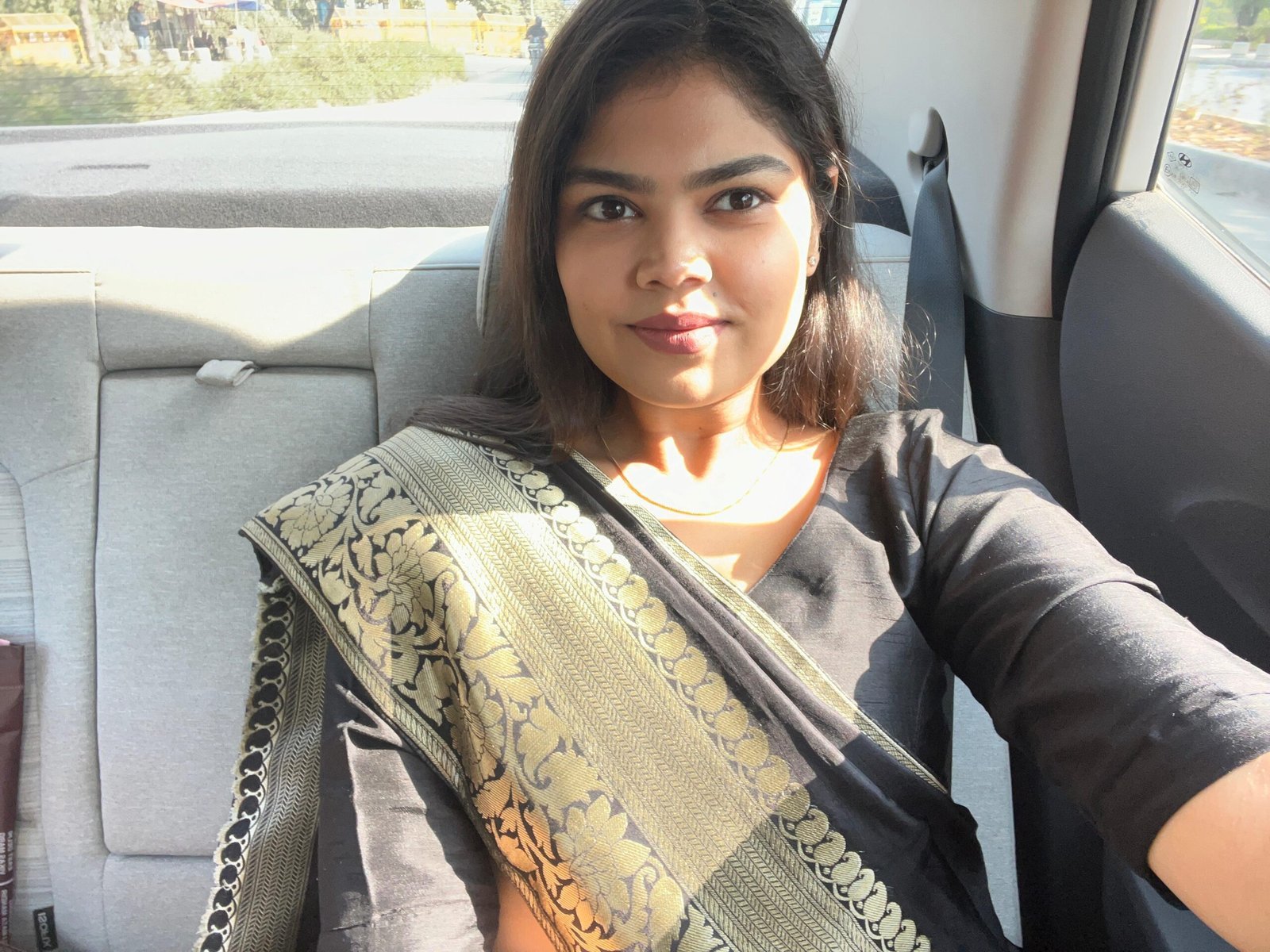
Ms. Prachi Mangla is a Counselling Psychologist at Psych Therapy in New Delhi. She works with adolescents and adults aged 13+ through online and in-person sessions. Her areas of work include anxiety, OCD, low mood, stress, relationships, identity concerns and life transitions.
A counselling psychologist helps people understand emotional, behavioural and relationship difficulties. Therapy can explore patterns, build coping skills and support practical changes in everyday life.
People rarely arrive with their concerns neatly separated into categories. Anxiety may sit alongside relationship stress, low mood or academic pressure. Prachi begins by understanding what feels most difficult now and what the client would like to be different.
Prachi uses an integrative approach. This means different evidence-based methods may be used depending on the client’s needs and goals.
Cognitive Behavioural Therapy (CBT) examines links between thoughts, feelings and behaviour. Exposure and Response Prevention (ERP) is a behavioural approach commonly used when working with OCD. Her work may also include mindfulness-based, solution-focused, compassion-focused and client-centred methods.
| Concern | Possible therapy focus |
|---|---|
| Anxiety or overthinking | Understanding triggers, thought patterns, avoidance and coping responses. |
| OCD | Understanding obsessive-compulsive cycles and using ERP-informed work where appropriate. |
| Low mood | Exploring unhelpful cycles, motivation, activity and self-critical thinking. |
| Relationship difficulties | Communication, boundaries, expectations and interpersonal patterns. |
| Adolescent stress | Emotional regulation, academic pressure, peer dynamics and self-esteem. |
The early sessions focus on understanding your concerns, goals and context. Therapy then becomes more tailored as patterns and priorities become clearer.
Prachi holds an M.A. in Counselling Psychology and works as a Counselling Psychologist at Psych Therapy. She provides psychological counselling for clients aged 13+ and works with both adolescents and adults.
Prachi works with clients from age 13 onwards and offers sessions in 2 formats: online and in person. For wider context, the World Health Organization reported in 2026 that nearly 1 in 7 people globally were living with a mental disorder in 2023. India’s National Mental Health Survey 2015–16 reported 10.6% current and 13.7% lifetime prevalence of mental morbidity. These population figures do not predict an individual client’s outcome.
The right fit depends on your concerns, preferences and comfort with the therapist. Prachi may be relevant if you are seeking support for anxiety, OCD, mood, relationships, stress or adolescent concerns.
Before deciding, consider whether the therapist’s areas of work match your needs. It can also help to notice whether you feel able to communicate openly during the initial consultation or session.
For general information about mental health and psychological therapies, see the World Health Organization: Mental Health and the U.S. National Institute of Mental Health: Obsessive-Compulsive Disorder. These resources provide general information and do not replace an individual psychological assessment.
Sources for the population figures above: World Health Organization — Mental disorders and National Mental Health Survey 2015–16.
Profile reviewed: September 2026.
Online and in-person sessions are available through Psych Therapy in Delhi. A free 15-minute consultation can be requested through the clinic.
Psych Therapy, led by Ms. Gunjan Arya, a Counseling Psychologist, offers a safe space for individuals seeking emotional support through evidence-based therapies. Specializing in anxiety, depression, trauma, and relationship issues, we aim to enhance personal growth and well-being.