Best Psychologist
What’s Covered on This Page
- More Than a Doctor’s Office
- The Professionals at a Mental Health Clinic Each Play a Different Role
- These Are the Signs That a Mental Health Clinic Visit Makes Sense
- How do I know if I need a mental health clinic or just a regular doctor?
- What is the difference between a counselling psychologist and a therapist?
- What should I expect during my first visit to a mental health clinic in Delhi?
- What does RCI licensed mean, and why does it matter in Delhi?
- Can stress from daily life in Delhi actually turn into a clinical mental health concern?
- Is therapy at a mental health clinic just talking, or does something actually change?
More Than a Doctor’s Office
Most people picture a small room with a couch. Maybe a notepad. That image barely scratches the surface. A mental health clinic is a place built around how your mind actually works, not just how your body feels.

Here’s what surprises people the most. A good clinic doesn’t just treat problems. It helps you understand yourself. That’s a big difference.
At a regular doctor’s office, you walk in with a symptom. You get a diagnosis. You leave with a prescription. Done. But mental health doesn’t follow that pattern. Your thoughts, feelings, and behaviors are all connected. The clinic is set up to look at all of those pieces together.
What Actually Happens Inside
We see this confusion all the time in Delhi. Someone calls and asks, “Do I need a psychiatrist or a psychologist?” They’re not sure what kind of help they need. And that’s completely normal. The clinic exists to figure that out with you. You don’t need to arrive with answers.
A typical first visit looks like this:
- You sit with a counselling psychologist who listens to what’s going on in your life.
- They ask about your sleep, your stress, your relationships, your daily routine.
- Together, you identify patterns you might not have noticed on your own.
- They suggest a path forward, whether that’s therapy sessions, deeper assessment, or both.
- You decide what feels right. No pressure.
That process matters more than people realize. It’s not rushed. It’s not a 10-minute appointment where someone scribbles on a pad and sends you out the door.
The Team Behind the Support
A mental health clinic brings together different professionals under one roof. An RCI licensed psychologist handles clinical assessments. A therapist works with you week after week on specific challenges. A counselling psychologist might help you navigate a career crisis or a difficult family situation. Each role is different.
Think of it like this. Imagine a young professional in Dwarka who can’t sleep, feels constantly on edge, and snaps at coworkers. A single doctor visit might result in sleeping pills. But a clinic would dig deeper. Is it anxiety? Burnout? An unresolved childhood pattern? The answer changes everything about the treatment.
And that’s exactly why the clinic model works better for mental health.
Why Delhi Needs This Approach
Delhi is fast, loud, and demanding. The pressure here is real. Commutes through Connaught Place or Lajpat Nagar alone can drain your energy before the workday even starts. People carry stress in their bodies without knowing it, they push through exhaustion because everyone around them does the same.
I’ve worked with clients who thought they were “just tired” for years. Turns out they were dealing with chronic anxiety. Catching things like that early is exactly what a good clinic is built to do.
But here’s what most people don’t realize until it’s too late. Mental health concerns don’t stay small. They grow quietly. A few sleepless nights become months of insomnia. Mild worry becomes panic attacks on the Metro. The earlier you walk into a clinic, the simpler the path forward tends to be.
So no, this isn’t a doctor’s office with softer lighting. It’s a place designed to help you think clearly, feel better, and actually understand why you’ve been struggling. If you’ve been curious about what that process looks like in detail, our main page on mental health clinic services walks you through everything step by step.
The Professionals at a Mental Health Clinic Each Play a Different Role
Most people walk into a mental health clinic thinking everyone there does the same thing. That’s one of the biggest misunderstandings we see. The truth is, each professional has a very specific job, and knowing who does what can save you time and frustration.

Let’s break it down simply.
Counselling Psychologist
A counselling psychologist works with you through talk-based sessions. They help with stress, relationship problems, grief, anxiety, and everyday emotional struggles. In Delhi, where the pace of life in areas like Connaught Place or Dwarka can feel relentless, a counselling psychologist often becomes your first point of contact. They don’t prescribe medicine. Their tools are conversation, structured techniques, and guided self-reflection.
We’ve had clients come in saying “I just need someone to talk to.” That’s exactly what a counselling psychologist is trained for.
RCI Licensed Psychologist
This one matters more than most people realize. An RCI licensed psychologist holds a credential from the Rehabilitation Council of India. This license means they’ve met strict education and training standards. Not every therapist in Delhi has this. But it’s a mark of verified clinical skill, it tells you the person sitting across from you has been formally evaluated.
If you’re unsure about someone’s qualifications, asking about RCI licensing is a smart first step.
Therapist
A therapist can use many different approaches. Cognitive behavioral therapy. Mindfulness-based methods. Art or play therapy for younger clients. The word “therapist” is broad on purpose. What matters is the specific method they use and whether it fits your concern.
Here’s something people don’t expect. A good therapist doesn’t just listen. They challenge your thinking patterns, give you homework, and push you toward real change. Passive listening is not therapy.
How They Work Together
At a well-run mental health clinic, these roles overlap in a helpful way. A counselling psychologist might do your initial assessment. Then a therapist takes over for weekly sessions using a specific method. And if deeper psychological testing is needed, an RCI licensed psychologist steps in.
Think of it like a team.
Here’s what each professional typically handles:
- Counselling psychologist: emotional support, coping strategies, adjustment issues
- RCI licensed psychologist: clinical assessments, psychological evaluations, verified diagnosis
- Therapist: structured treatment plans, specific therapy techniques, ongoing sessions
To better understand how these roles fit into the broader picture, it helps to learn about mental health services and treatment as a whole — including how different types of care are structured and delivered.
So how do you know who to see first? You don’t always have to decide on your own. A good clinic in Delhi will guide you to the right professional after an initial conversation. We do this every day, matching people with the person who fits their needs best.
One scenario we see often: a young professional from Saket or Rohini calls in feeling burned out at work. They’re not sure if they need “therapy” or just advice. After one session with a counselling psychologist, the path becomes clear. Sometimes it’s short-term support. Sometimes it’s structured therapy over a few months. But that first conversation removes the guesswork.
And here’s the part most people skip over. Credentials matter. Delhi has many practitioners, but not all of them hold proper licensing. Always ask. A real clinic will be transparent about who’s on their team and what each person is qualified to do.
If you’re trying to figure out which professional is right for your situation, our team can help you sort that out quickly.
These Are the Signs That a Mental Health Clinic Visit Makes Sense
Most people wait too long. That’s the honest truth after 15 years of seeing clients walk through our doors in Delhi. They come in saying “I should’ve done this months ago.” Sometimes years ago. The signs were there, they just didn’t know what to look for.
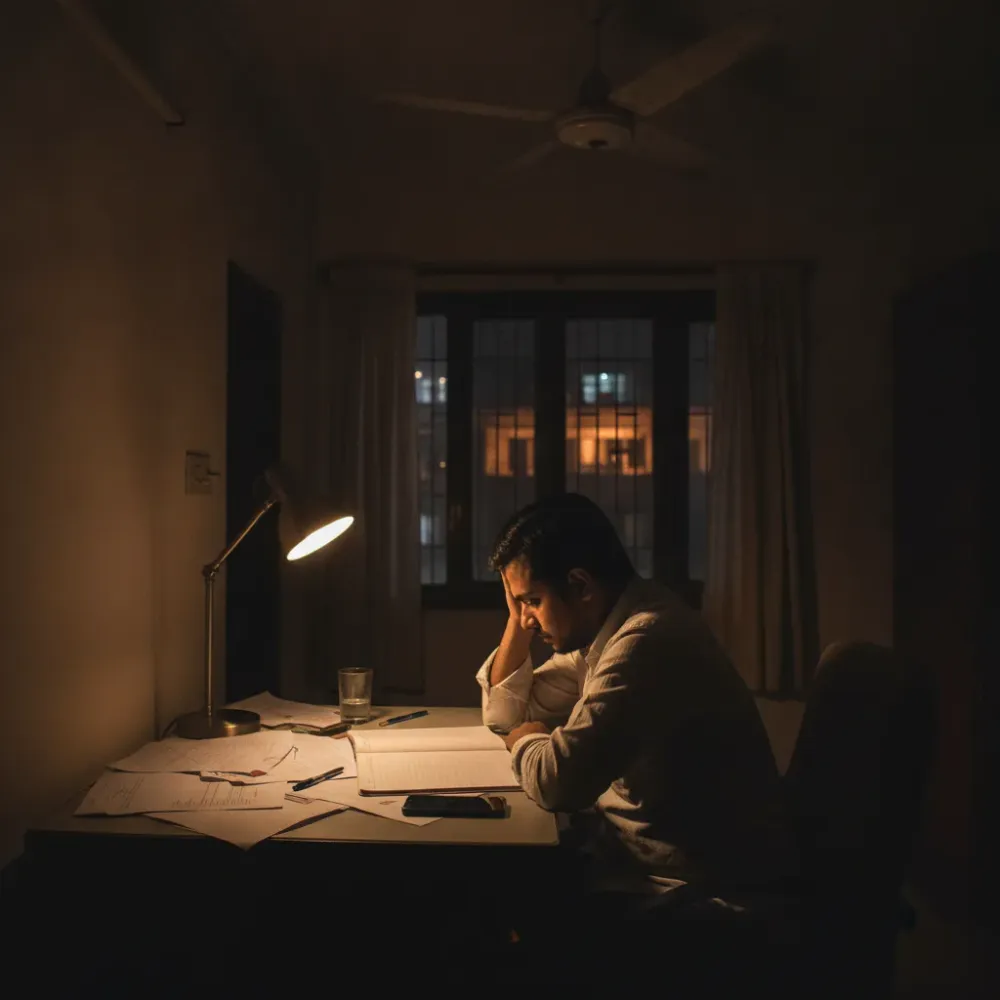
So let’s fix that right now.
You don’t need a crisis to visit. You don’t need a diagnosis. You just need to notice that something feels off and it isn’t going away on its own. Here are the signs we see most often in the people who finally decide to reach out:
- Sleep has changed and you can’t fix it. You’re either sleeping too much or barely sleeping at all. It’s been weeks, not days.
- Small tasks feel heavy. Replying to a message, cooking a meal, getting dressed. Things that used to be automatic now drain you.
- You’re pulling away from people. Skipping plans, avoiding calls, staying home more than usual. Not because you want alone time, but because being around others feels exhausting.
- Your mood swings feel bigger than the situation. Tiny frustrations trigger big reactions. Or you feel numb when you know you should feel something.
- Physical symptoms keep showing up. Headaches, stomach problems, chest tightness. Your doctor says nothing’s wrong, but your body keeps sending signals.
Any one of these on its own might not seem like a big deal. But when two or three of them stack up over a few weeks, that’s your mind asking for help.
What This Looks Like in Real Life
I’ll give you an example we see a lot in our practice. A young professional living in Dwarka starts missing deadlines at work. They blame it on being busy. Then they stop going to the gym, stop meeting friends on weekends. They tell themselves it’s just a phase. Six months later they’re sitting in front of a counselling psychologist saying “I don’t even know how I got here.”
The signs were clear from month one. But nobody had told them what to watch for.
And here’s the thing people get wrong, they think a clinic visit is only for severe problems. It’s not. A visit can be about feeling stuck, confused, or just not like yourself. You don’t need to justify it to anyone.
Another pattern we notice a lot in Delhi is people brushing off emotional distress because “everyone’s stressed here.” That’s true, the city moves fast. But your stress becoming your entire personality isn’t normal. Constant irritability at home, dreading your commute through Connaught Place not because of traffic but because you can’t face the day ahead, that’s different from regular stress.
One thing I always tell people is this: if you’re Googling whether you need help, you probably do. Healthy curiosity is one thing. But searching at 2 AM because you can’t stop the thoughts racing through your head? That’s a sign.
The goal of visiting early is simple. You catch things before they grow. A few sessions with an RCI licensed psychologist now can save you from months of struggling later. Think of it like noticing a small crack in a wall, you fix it early or you rebuild later.
If any of this sounds familiar, don’t wait for things to get worse before you take the next step.
Frequently Asked Questions
Common questions about Mental Health Clinic in Delhi
How do I know if I need a mental health clinic or just a regular doctor?
How do I know if I need a mental health clinic or just a regular doctor?You likely need a mental health clinic when your feelings, thoughts, or behaviors are affecting your daily life. A regular doctor treats physical symptoms. A mental health clinic looks at how your mind, emotions, and habits connect. If you’ve felt anxious, exhausted, or low for more than a few weeks, a clinic can help you understand why. In Delhi, many people push through stress for months before seeking help. The earlier you go, the simpler the path forward tends to be.
What is the difference between a counselling psychologist and a therapist?
What is the difference between a counselling psychologist and a therapist?A counselling psychologist focuses on talk-based support for stress, grief, relationships, and everyday emotional struggles. A therapist uses specific methods like cognitive behavioral therapy or mindfulness to change thinking patterns. Both roles are valuable, but they serve different needs. A counselling psychologist is often your first point of contact. A therapist typically works with you over several weeks on a focused concern. Our main page on mental health clinic services explains how these roles work together in more detail.
What should I expect during my first visit to a mental health clinic in Delhi?
What should I expect during my first visit to a mental health clinic in Delhi?Your first visit is a conversation, not a test. You sit with a counselling psychologist who listens to what’s going on in your life. They ask about your sleep, stress, relationships, and daily routine. Together, you identify patterns you may not have noticed. You don’t need to arrive with answers or a diagnosis. The goal is simply to understand your situation. Nothing is rushed. You leave with a clearer picture of what’s happening and a suggested path forward.
What does RCI licensed mean, and why does it matter in Delhi?
What does RCI licensed mean, and why does it matter in Delhi?RCI licensed means a psychologist holds a credential from the Rehabilitation Council of India. This license confirms they’ve met strict education and training standards. In Delhi, not every therapist or counsellor carries this credential. It matters because it tells you the professional has been formally evaluated and verified. If you’re unsure about someone’s qualifications, asking about RCI licensing is a smart first step before starting any clinical assessment or evaluation.
Can stress from daily life in Delhi actually turn into a clinical mental health concern?
Can stress from daily life in Delhi actually turn into a clinical mental health concern?Yes, everyday stress in Delhi can grow into a real clinical concern if it goes unaddressed. Long commutes, work pressure, and a fast-paced environment can quietly build into chronic anxiety or burnout. Many people in areas like Dwarka or Lajpat Nagar push through exhaustion for months, thinking they’re just tired. A few sleepless nights can become months of insomnia. Mild worry can become panic attacks. Mental health concerns don’t stay small. They grow slowly, which is exactly why catching them early makes a real difference.
Is therapy at a mental health clinic just talking, or does something actually change?
Is therapy at a mental health clinic just talking, or does something actually change?Good therapy is much more than talking. A trained therapist challenges your thinking patterns, gives you practical exercises, and tracks your progress over time. Passive listening is not therapy. Methods like cognitive behavioral therapy are structured and goal-focused. You’ll often have homework between sessions. Real change comes from applying what you learn outside the clinic room. Many people are surprised by how concrete and active the process actually is once they begin.
Ready to Get Started?
Book a Free 15 min Telecall. Call 085950 28642 today.